Working Against the Clock
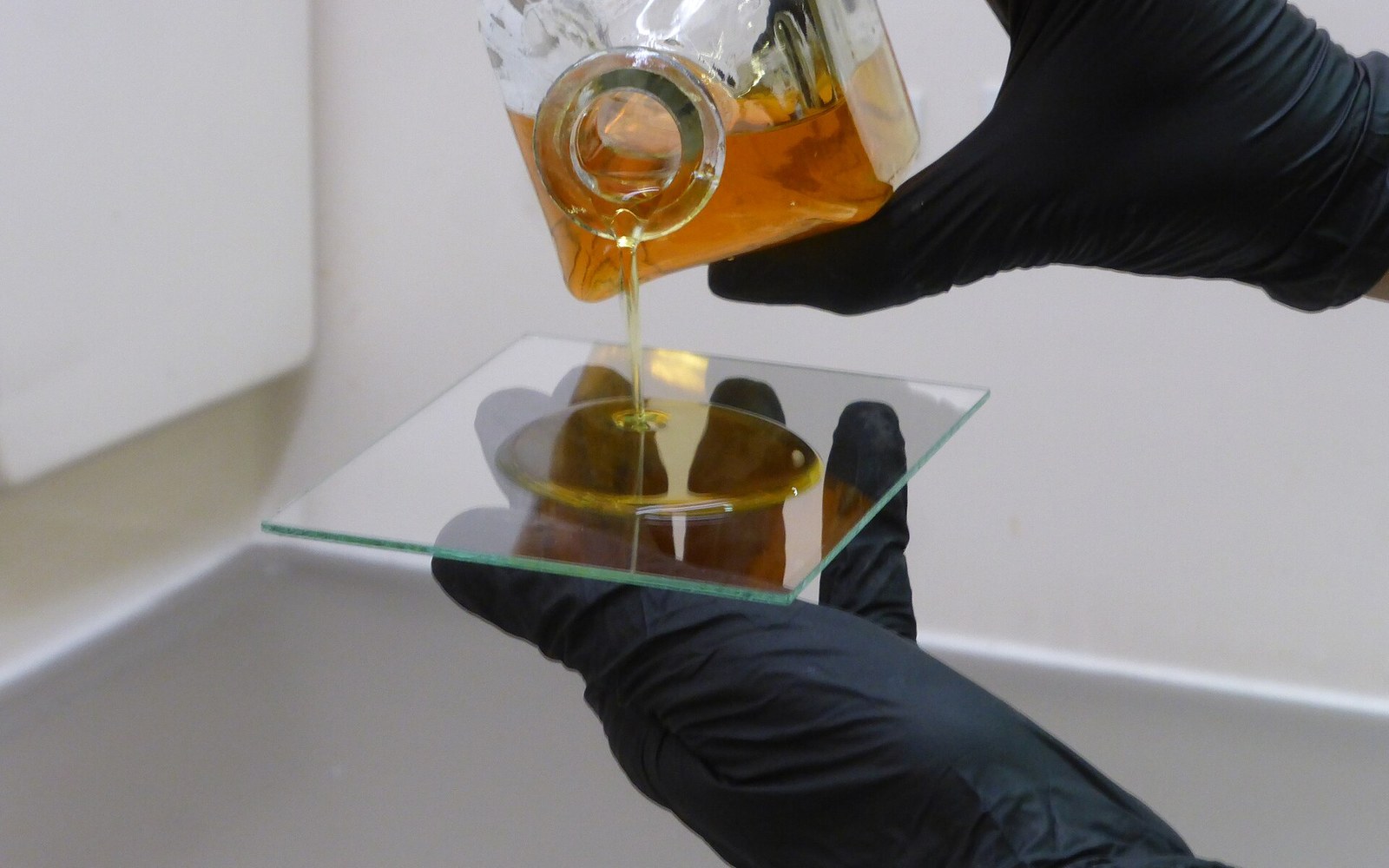
Frederick Scott Archer's collodion process, published in 1851, imposed a brutal constraint: coat the plate, expose it, and develop it while the surface was still tacky — typically within ten to twelve minutes of pouring. In a studio, that was manageable. In the field, it meant the darkroom had to travel.
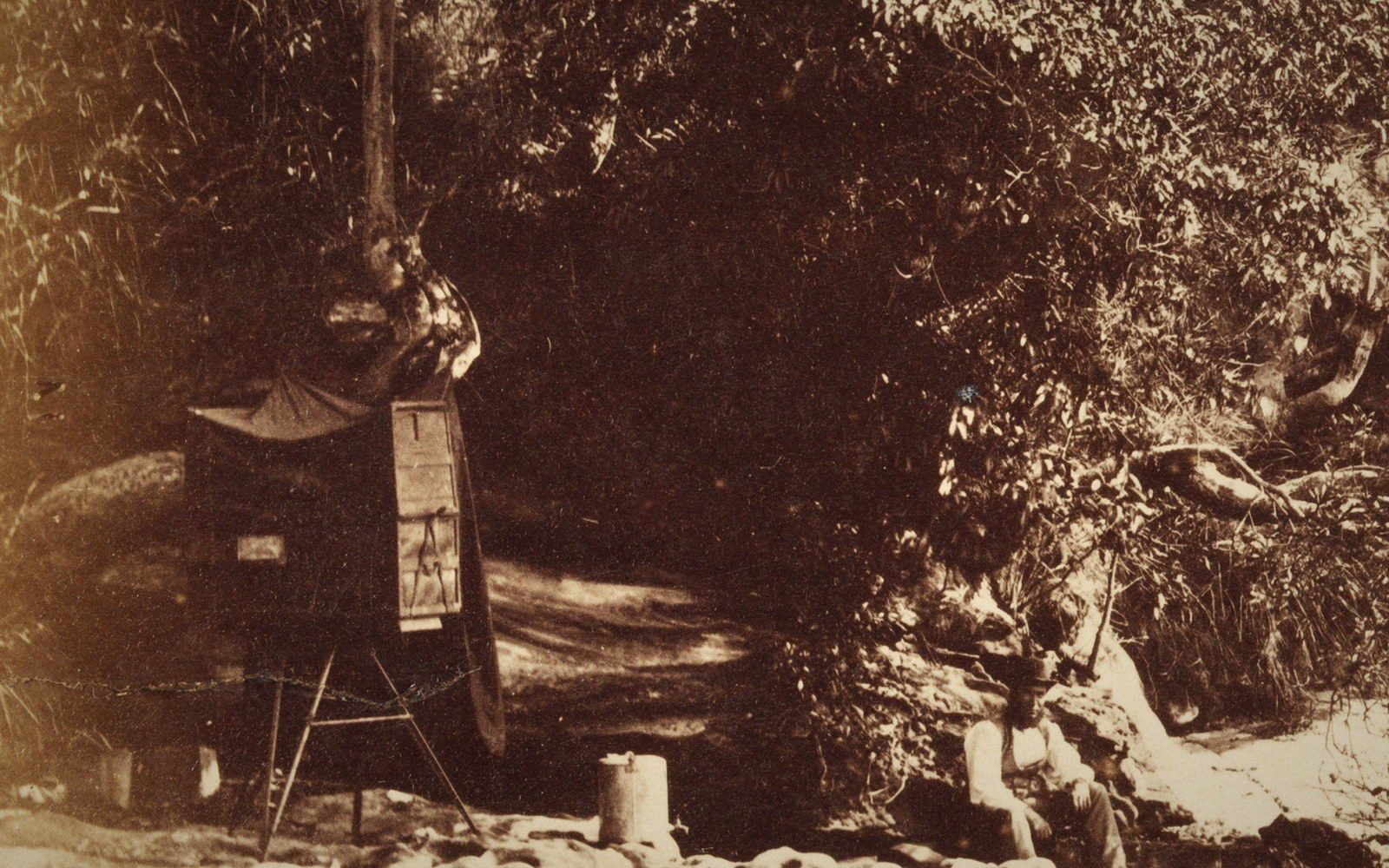
The solutions were inventive and deeply practical. The simplest was a changing tent: a black cloth structure, light-tight, just large enough for a photographer to work inside with both arms free. Chemicals — collodion, silver nitrate bath, pyrogallol or iron developer, fixer — were carried in stoppered bottles, and the exposed plate was developed on the spot. The tent folded into a pack. The whole kit weighed perhaps fifteen to twenty kilograms, depending on plate size and ambition.
More elaborate operations used a dedicated wagon or converted cart. Gustave Le Gray took to the forests of Fontainebleau in the early 1850s with equipment loaded on a cart, and the practice spread wherever documentation demanded distance: geological surveys, military campaigns, railway construction.
Roger Fenton famously converted a wine merchant's van into a mobile darkroom for his work in the Crimea in 1855. The vehicle provided shade, a work surface, and crucially a stable place to keep the silver nitrate bath — a shallow tray in which each glass plate was sensitised just before exposure and which could not be carried in a pocket.
The working radius the process allowed was determined less by transport than by chemistry. Ten minutes is generous in cool weather and fatal in summer heat, when the collodion film dried faster and the photographer had to work harder, faster, and accept a narrower margin for error. Altitude, wind and direct sun all compressed the window. Practitioners learned to pour plates in the shade, pre-load holders close to the camera, and develop immediately on return to the tent rather than after reviewing the composition.
What the field darkroom could not solve was the silver bath. The nitrate solution was corrosive, light-sensitive, and had to be kept covered; contamination from dust or organic debris fogged plates unpredictably. Replenishing and filtering the bath in the field was a constant discipline, and the condition of the bath shows in the resulting plates — a fact that is now, for those who read negatives carefully, part of the historical record.